Butz Bartolome
Butz Bartolome
Diesel at P70: MSME Survival Guide
armando bartolome | March 24, 2026
Diesel at P70: MSME Survival Guide Not long ago, filling up a 35-liter diesel tank cost a jeepney driver less than ₱1,700. Today, that same tank costs well over ₱2,400 — and the price is still climbing. What This Price Jump Means in Peso Terms That is ₱6,600 more per month for just ONE delivery route — before supplier markups, shipping surcharges, and transport fare increases hit your cost structure. The 5 Most Affected Business Types Your Week-by-Week Survival Checklist WEEK 2 | Cut What You Can WEEK 3 | Protect Your Margins WEEK 4 | Watch and Adapt Government Measures to Watch These measures can help — but do not wait for the government to save your business. The best entrepreneurs move first and adjust as relief arrives. The Butz Take Every crisis reshuffles the deck. The question is never whether you will be affected — in a crisis this big, everyone is. The question is whether you are the entrepreneur who reacts in panic or the one who responds with a plan. About the Author Armando "Butz" Bartolome is known as The Business Mentor, inspiring individuals and organizations to develop an entrepreneurial mindset. He has assisted countless micro-entrepreneurs who are now known brands across the Philippines. Contact him at aob@gmb.ph or visit butzbartolome.com.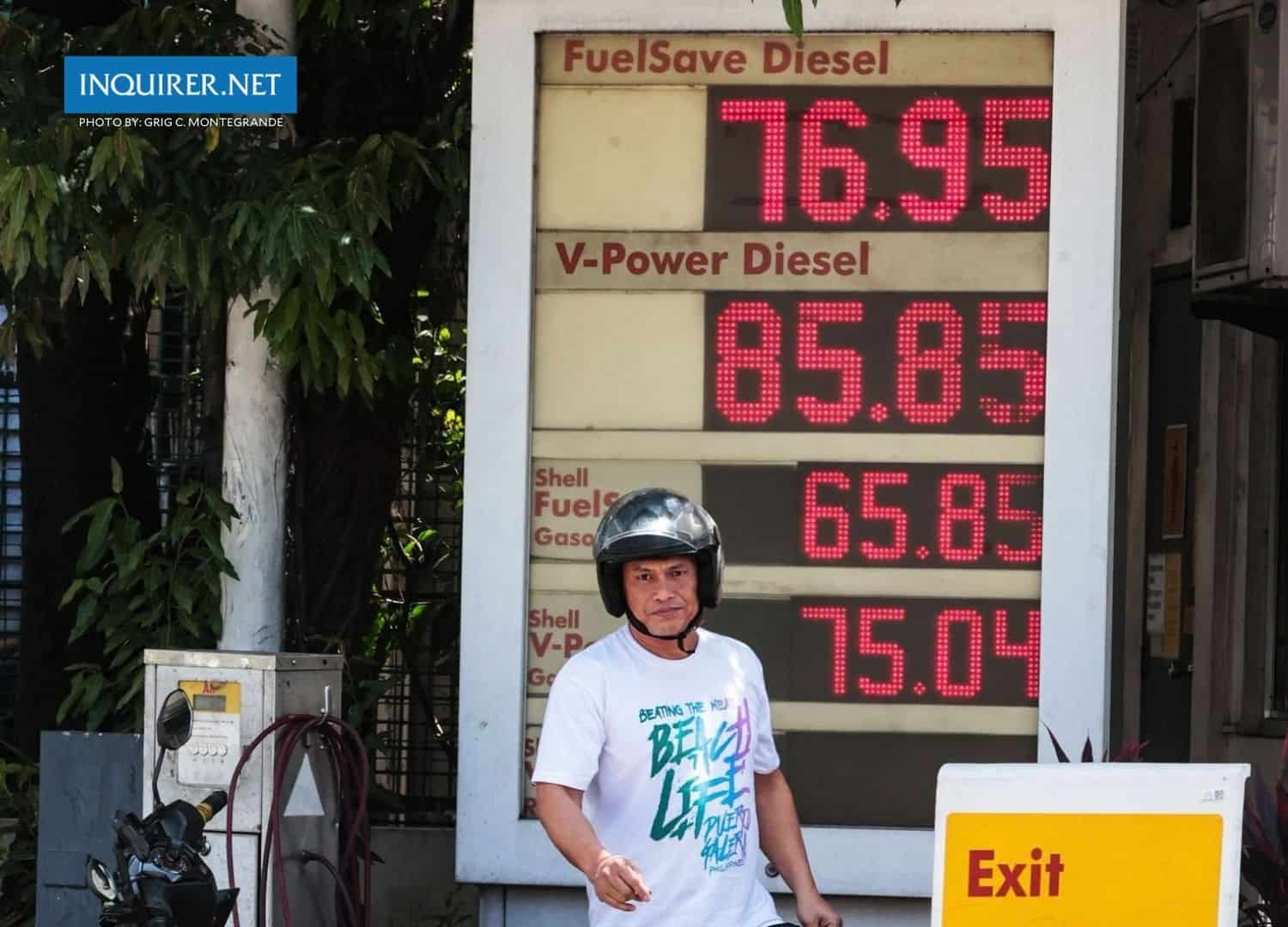
From ₱48 to ₱70 per liter in just a matter of weeks. That is not a minor adjustment. That is a crisis landing directly on the doorstep of every Filipino small business owner who depends on fuel to operate, deliver, and survive.
As your Business Mentor, here is a practical survival guide — not just an explanation of what happened, but concrete steps you can act on starting this week.
Let us make this real with simple math. If your business uses a delivery route that travels 50 kilometers a day, here is what changed:
Scenario Price / Liter Daily Cost Monthly Cost
Before the crisis ₱48 ₱480 ₱14,400
Today ₱70 ₱700 ₱21,000
Difference +₱22 +₱220/day +₱6,600/month
Multiply that across all the ways fuel touches your business — suppliers hauling goods to you, riders delivering to customers, trucking from your source — and you quickly see why your margins are thinning even when your sales numbers look the same.
Not all businesses feel this equally. Here is an honest look at who is getting hit hardest and why:
1. Food Businesses
Ingredients are transported by truck. LPG for cooking is petroleum-based. Delivery of finished meals runs on fuel. Food entrepreneurs are getting squeezed from every direction simultaneously.
2. Delivery and Logistics
Fuel is the primary operating cost. Riders and courier companies are already adding fuel surcharges, and those costs land on you as the merchant.
3. Retail and Resellers
Even if you do not personally drive goods, your suppliers do. Expect price increases from your supplier in the coming weeks as their logistics costs catch up to reality.
4. Transport Operators
Jeepney and tricycle operators are caught in a painful position — fuel costs up sharply but fare hike approvals are slow. Many are operating at a loss per trip right now.
5. Small Manufacturers
Energy costs are compounding. Raw materials cost more to ship in. Finished goods cost more to ship out. Electricity bills rise as fuel affects power generation costs.
Do not try to fix everything at once. Work through this week by week so you stay focused and avoid panic decisions.
WEEK 1 | Know Your Numbers
☐ Calculate your actual fuel-related costs per month (delivery, logistics, transport)
☐ Identify which products or services have the thinnest margins right now
☐ Check if your current pricing still covers your new cost of goods sold
☐ Consolidate deliveries — batch orders instead of multiple small runs daily
☐ Renegotiate courier rates — ask for volume discounts or flat-rate arrangements
☐ Explore local suppliers to reduce transport distance and landed cost
☐ Adjust your pricing — do not absorb the full cost increase on your own
☐ Communicate price changes to customers honestly and in advance
☐ Focus your sales energy on higher-margin products during this period
☐ Monitor government relief measures — excise tax suspension, fuel subsidies
☐ Track your sales vs. last month — are customers pulling back?
☐ Review your plan and adjust — this crisis is still evolving
President Marcos has signaled a series of relief measures that could ease the burden on small businesses. Here is where each one stands:
Relief Measure Status What It Means for You
Excise tax suspension Pending in Congress Could lower pump prices by ₱6–₱10/liter if passed
Targeted fuel subsidies Under study May benefit transport sector and MSMEs directly
Staggered price hikes Active DOE urged oil firms to spread increases over days, not all at once
4-day government work week In effect Reduces government fuel use; signals seriousness of situation
“In my years mentoring entrepreneurs, every crisis I have seen had this in common: the businesses that survived were not the biggest or the richest. They were the most prepared and the most willing to adapt. You do not need a big budget to get through this. You need a clear head, honest numbers, and the discipline to act before things get worse. The fuel price will eventually come down. Your habits as a business owner — those will stay.”
Your negosyo can get through this. But it needs your clearest thinking right now.